Every year, in spring, Japan turns pink.
For a few days, the whole country focuses its attention on sakura trees. Parks, riversides, and ordinary streets around the country become temples where people celebrate the beauty of this plant, in a sense, the beauty of being alive.
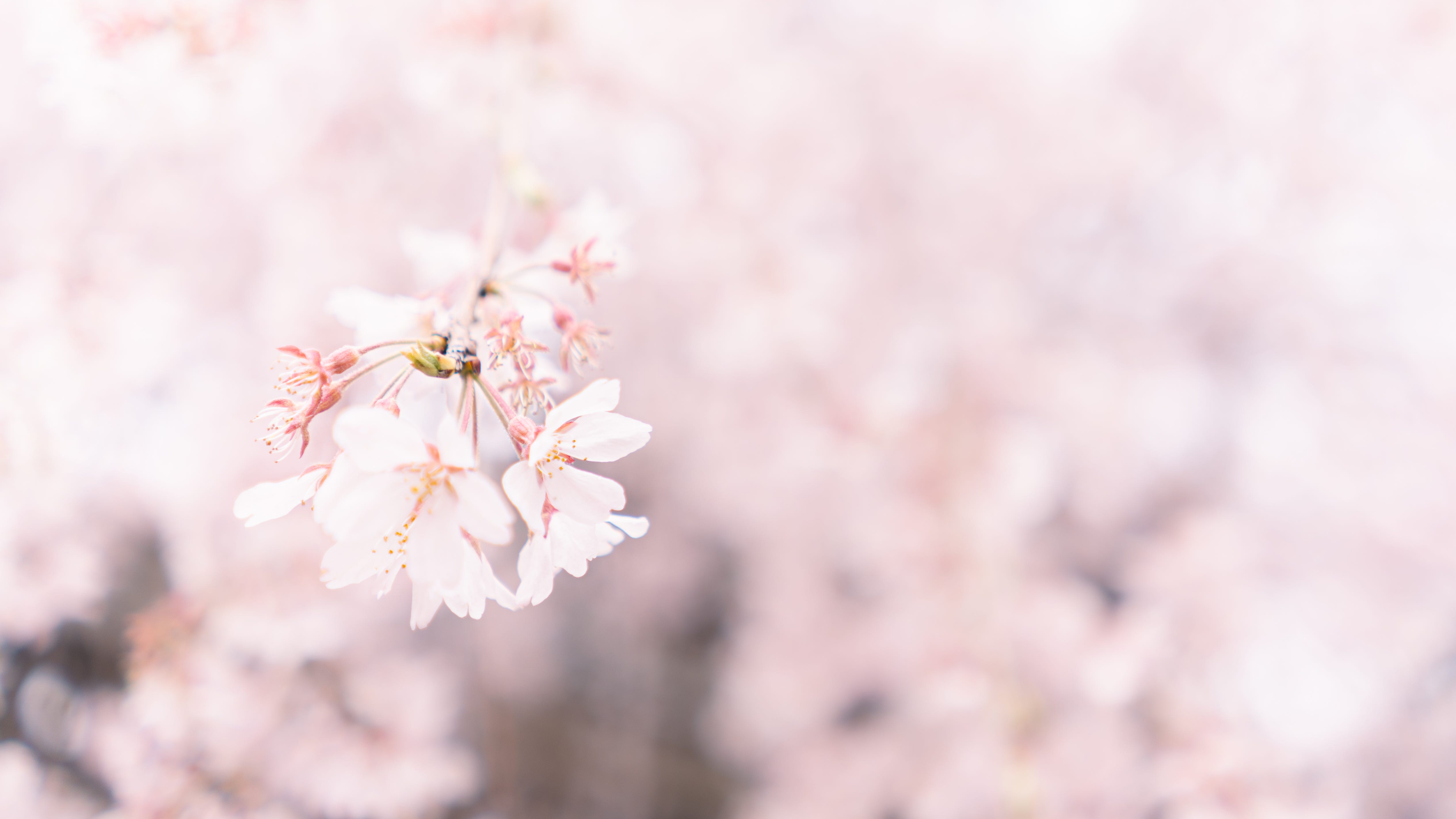
A beauty so complete that it does not arrive without sadness1:
桜咲き
らんまんとして
さびしかる
— 細見綾子
Sakura blooms
in burning exuberance
somehow lonely.
— Ayako Hosomi
We are so obsessed with the moment of perfect bloom that, when it finally arrives, we are already suffering its absence.
Mono no aware (物の哀れ) is an aesthetic concept in Japan that can be translated as “sensitivity to things” and is used to describe the awareness of impermanence, which elevates our appreciation of beauty. Almost like the deeper sibling of YOLO.
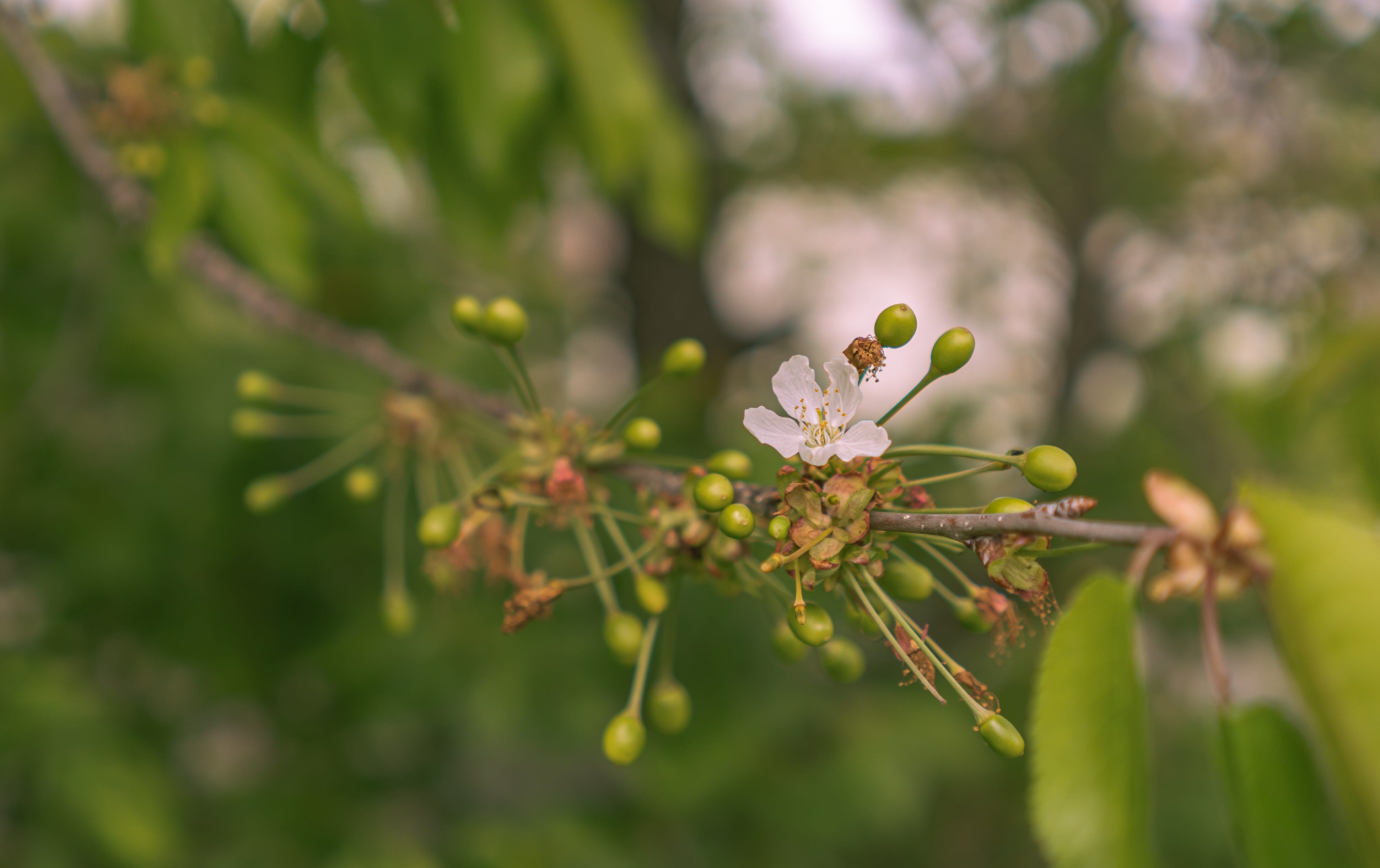
Soon, the green leaves start to appear, and the immaculate, snow-like landscape created by the sakuras becomes more wabi-sabi2.
葉桜の
影ひろがり来
深まり来
— 星野 立子
Sakura leaves,
their shade keeps spreading
deeper and deeper.
— Hoshino Tatsuko
The leaves don’t spoil the flowers. They create their own scenery. Another brief state called Hazakura (葉桜), leafy sakura.
You may have heard that Japan has seventy-two micro-seasons. Traditionally, the Japanese calendar was divided into twenty-four solar terms, each of them subdivided into three micro-seasons of five days. If you are curious, right now (May 6th) we are in the season where the frogs begin to croak.
There is beauty at every step of the year, that is not a journey in the linear sense of the word, but a cycle that keeps coming back. The tree, its bark, the secret life of its roots beneath the earth, it all crystalizes in the five-petaled flower that blooms fully and cleanly for less than an instant.
And yet the flower does not summarize the tree.
I think about this in my work. I think about the concept of integration, about the sought after peak experience. I think about release, and the thunderstorm left behind by the discharge of emotions.
We search for the inflection point, the tears, the unforgettable memory. But in my own experience, transformation comes almost invisibly, quietly between the ups and downs. Rope gives shape to much of this process. It brings me countless encounters and discoveries. But it is not rope alone that makes me who I am.
For me, this is the meaning of integration. Not to materialize the experience into a totem I can bring with me forever, into another tool that goes to my toolbox, or a piece of the puzzle that I am. Integration is the realization that there are seventy-two micro seasons. That every flower gives way to a fruit that falls and decays. That frogs are singing along. That peonies also bloom. That swallows leave. That swallows come back. That maybe one day they will not.
We need to observe and respect every step of the cycle. I do not want to say “understand”, because there are things in life that cannot be understood.
We can only hope to look at them like flowers.
Thank you as always for reading Rope Meditations,
Pablo Aida
If this piece inspired you in any way, consider subscribing to my newsletter, where I share reflections on rope, meditation, embodiment, and the awe of practice.
Note on the haiku translation:
The translations of the poems are my own loose interpretations.
In the poem by Ayako Hosomi, らんまん is usually written as 爛漫, meaning full bloom, brilliance, or overflowing splendor. I chose “burning exuberance” because the kanji 爛 contains the fire radical and carries a sense of brightness, aperture… while 漫 suggests overflowing, and abundance. It is not a literal translation, but an attempt to convey the intensity of sakura at its peak.
In the poem of Hoshino Tatsuko, for 葉桜, I translated it as “Sakura leaves.” This is also a debatable choice. In Japanese, 葉桜 means sakura after the blossoms have fallen and the green leaves have appeared, and not the leaves themselves (which ironically contradicts the title of this blogpost, as if the leaves did indeed summarize the tree). In English, I liked that “leaves” can be read in two ways: the leaves of the tree, and sakura leaving. The ambiguity is not literal, but I found it intriguing: the blossom is gone, but at the same time is there more deeply.